A workshop for older children and teens
The Thought Garden: Words, Writing & Giving
Ages 8–15, with separate approaches for ages 8–11 and 12–15
Writing, supportive self-talk and a step towards giving, designed for older students.
Explore this activity+
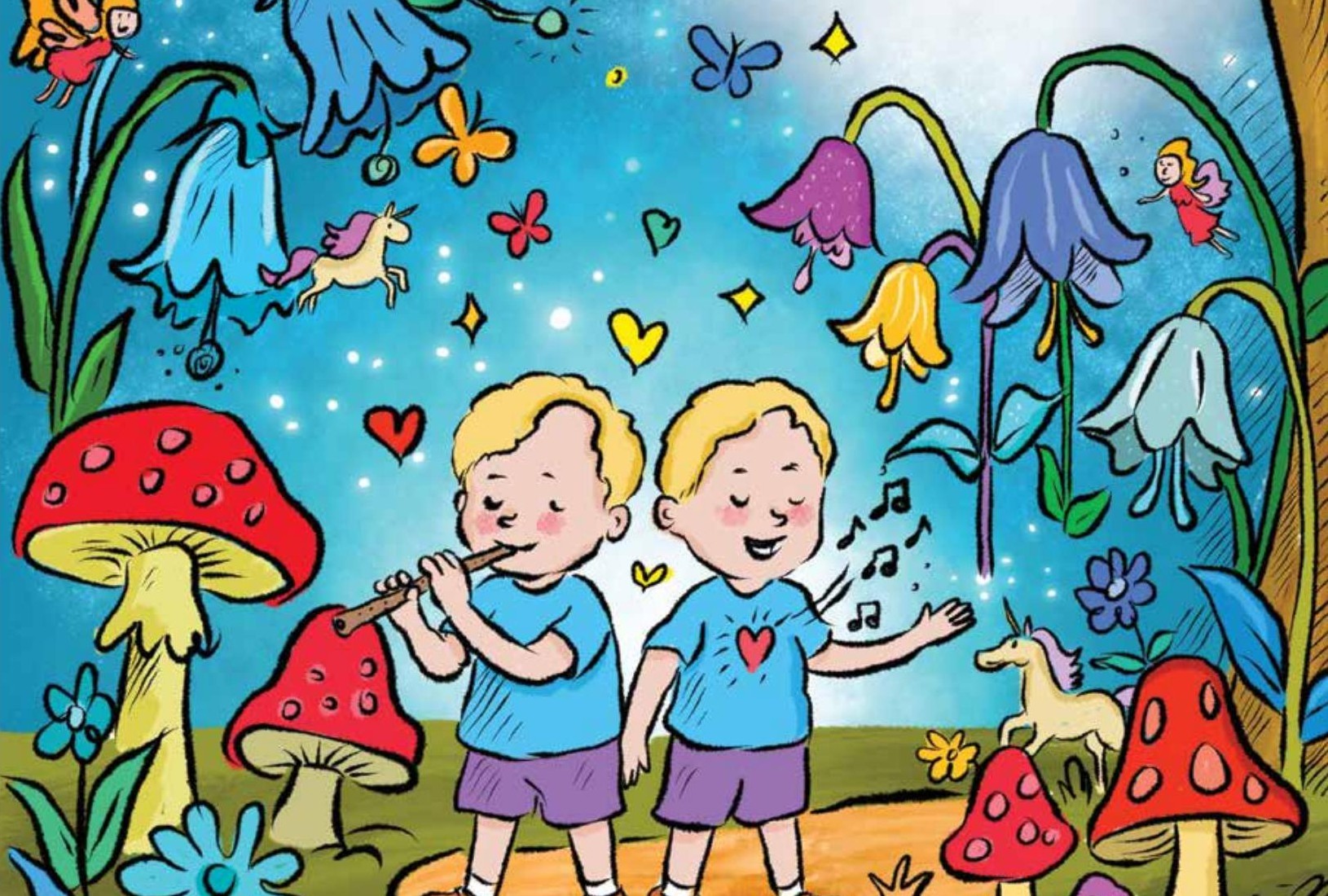
How do our thoughts and words influence the way we approach a challenge and decide what to do? A thoughtful exploration of the thought garden, connecting the book’s tools with Mor’s personal experience of writing and giving.
- The thought garden as a way to explore inner dialogue: which thoughts and words encourage us, and how can we find language that is both supportive and honest when things are difficult?
- A writing exercise based on a character or fictional situation: notice an unhelpful phrase, then explore a more supportive, believable thought without dismissing what is difficult.
- A conversation with Mor about what reading, writing and giving have brought to her life, and how an idea can become a book or an initiative that helps others.
- A short piece of writing, an encouraging letter or a journal page, followed by a personal next step in reading, writing or giving. Sharing is optional; participants are not asked to disclose personal experiences.
What participants take away: A piece of writing, a tool from the book and a personal next step — for themselves or for someone else.
Request a Proposal→A creative workshop
Story & Perspective Lab
Ages 8–15, adapted to the group’s age
Create a story or comic and discover what a different perspective can change.
Explore this activity+
How can the same event become two different stories? Through characters, writing and comics, students explore different perspectives and discover words that open up new possibilities.
- A short passage from the book as a starting point, with discussion and activities designed for older students.
- A writing challenge: tell the same fictional social situation from two characters’ points of view. Older groups can also explore a misunderstanding in a message or group chat, including boundaries and when to ask for help if someone is being hurt.
- A comic or short story exploring a supportive thought and words the character might choose to use.
- Optional sharing and a follow-up idea for the teacher. Children are not asked to disclose personal experiences.
What participants take away: An individual or group creation showing how a different perspective can change a story.
Request a Proposal→An enrichment unit with an author session
Hebrew Through Story
Ages 5–15, adapted to age and Hebrew proficiency
Practise Hebrew through stories and creative work, alongside tools for everyday life.
Explore this activity+
Meet Hebrew words in a story, then use them in conversation, play and creative work. Alongside new vocabulary, students explore tools for noticing thoughts, choosing encouraging words and considering another perspective.
- Passages, vocabulary and expressions selected with the Hebrew teacher. Language support matches proficiency, while themes and questions suit the students’ age.
- Guided reading and conversation about the book’s tools, with word games for younger children and discussion or writing for older groups.
- Drawing, writing or role-play that combines Hebrew practice with a practical tool: an encouraging phrase, a supportive thought or a different perspective.
- A session with the author, with the option of a short lesson sequence alongside the school’s existing Hebrew curriculum.
What participants take away: A vocabulary card, sentences or a short story students have created in Hebrew at their own level, and a tool to explore beyond the language lesson.
Request a Proposal→