Imagination becomes an active tool
Children do more than listen to a story. They use imagination to direct attention and discover another possibility.
 Magic CarpetImagination, attention and choiceShop
What is the Magic Carpet approach?
The Magic Carpet approach connects stories, guided imagery, thoughts and words with everyday choices. In age-adapted activities and programs, children and teens practise turning their attention inward, noticing their thoughts and using imagination and supportive language with intention. They then return to the here and now and choose a step they can try in real life.
Programs & activities for ages 5–15 • Shared themes explored at an age-appropriate level • Family evenings
Beyond naming feelings
Children discover an idea through story, experience it through imagination and return to everyday life with simple language they can remember and use.
Children do more than listen to a story. They use imagination to direct attention and discover another possibility.
Each experience ends with a clear return to the here and now and a practical tool or small action the child can try.
Memorable images and words make it easier to revisit an idea at home, at school and in conversations with others.
The heart of the approach
A short, repeatable sequence that connects imagination, attention and choice.
Notice physical sensations, feelings and thoughts.
A story, image or metaphor opens a gentle space for observation.
Feel the ground beneath you, look around and bring the imaginary journey to a clear close.
Notice what still feels true and what possibilities may now be available.
Connect the experience with one small action that can be tried in real life.
An adult offers a short “Carpet Minute.” After the imaginary journey and return, the adult asks: “What could you try now — starting with one small part or asking for help?” Imagination does not make the choice for the child; it offers a pause to consider what to try next.
A student feels nervous about speaking in class. She is invited to notice the thought on her mind and imagine how she might begin, then choose a step: writing an opening sentence or practising with a friend. Talking or writing can also be an alternative to an imagination exercise.
Explore the Age-Specific Programs →The tools behind the approach
Seven worlds introduce seven tools; the eighth brings them together. The stories make these ideas accessible to younger children, while activities for older participants explore them through age-appropriate discussion, writing and practice.
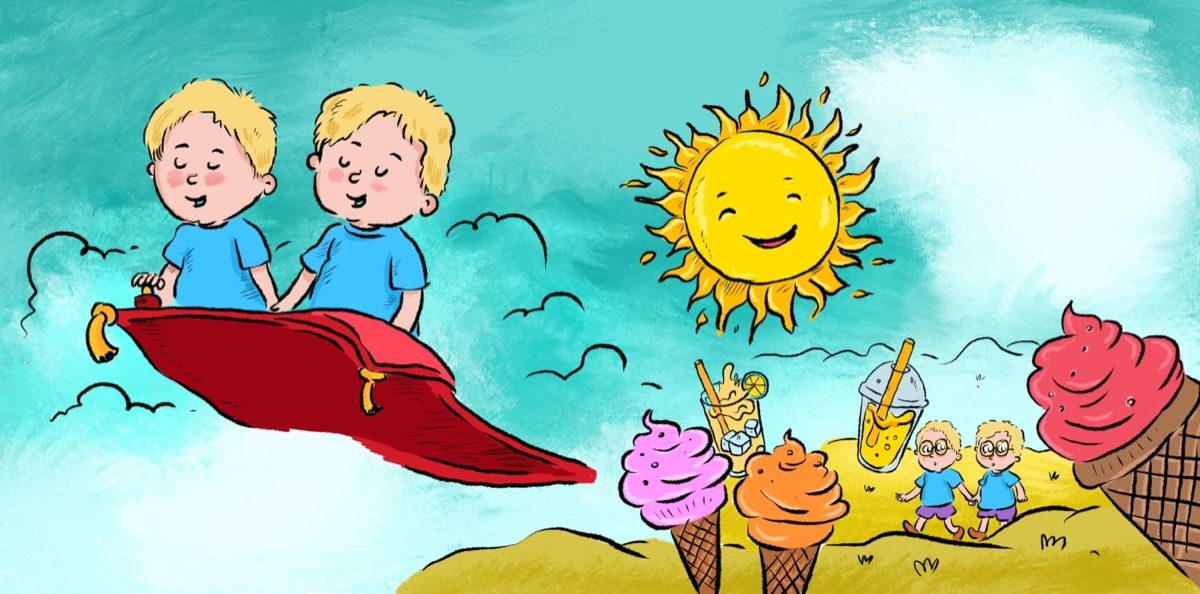
Attention, imagination and a clear return to the present.
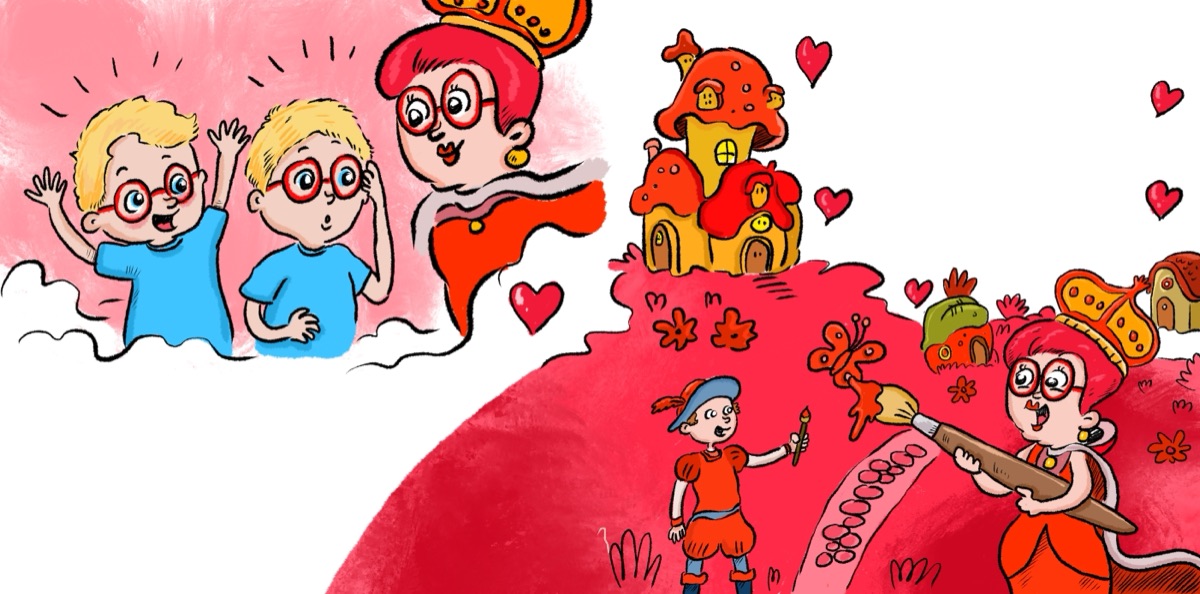
Notice an inner experience and consider what support may help.
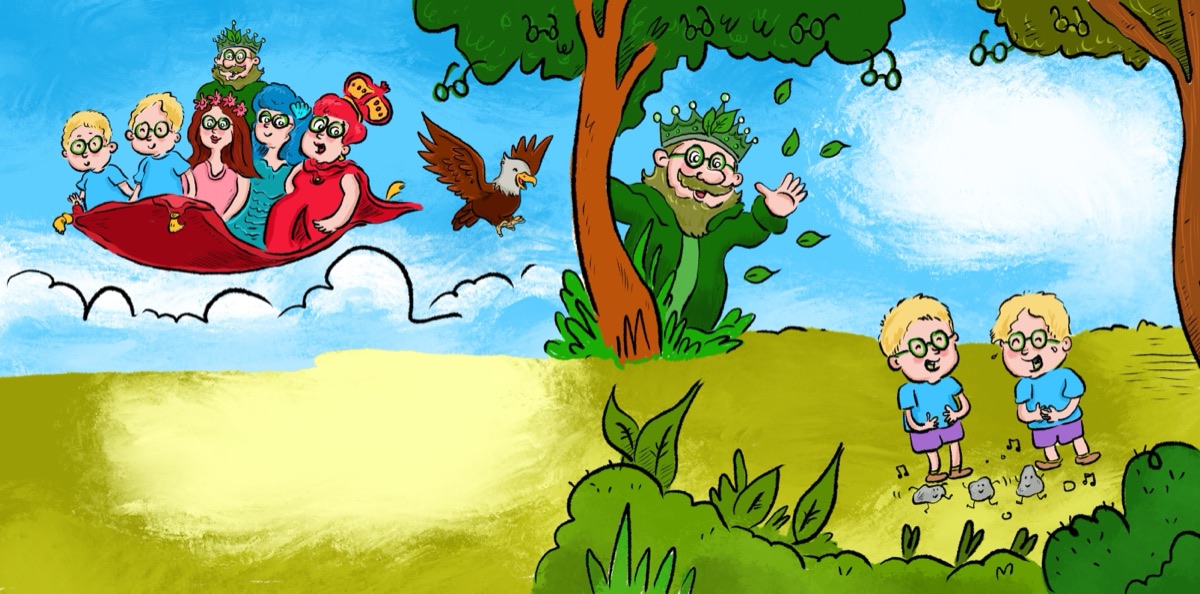
Explore another way of looking at a situation.
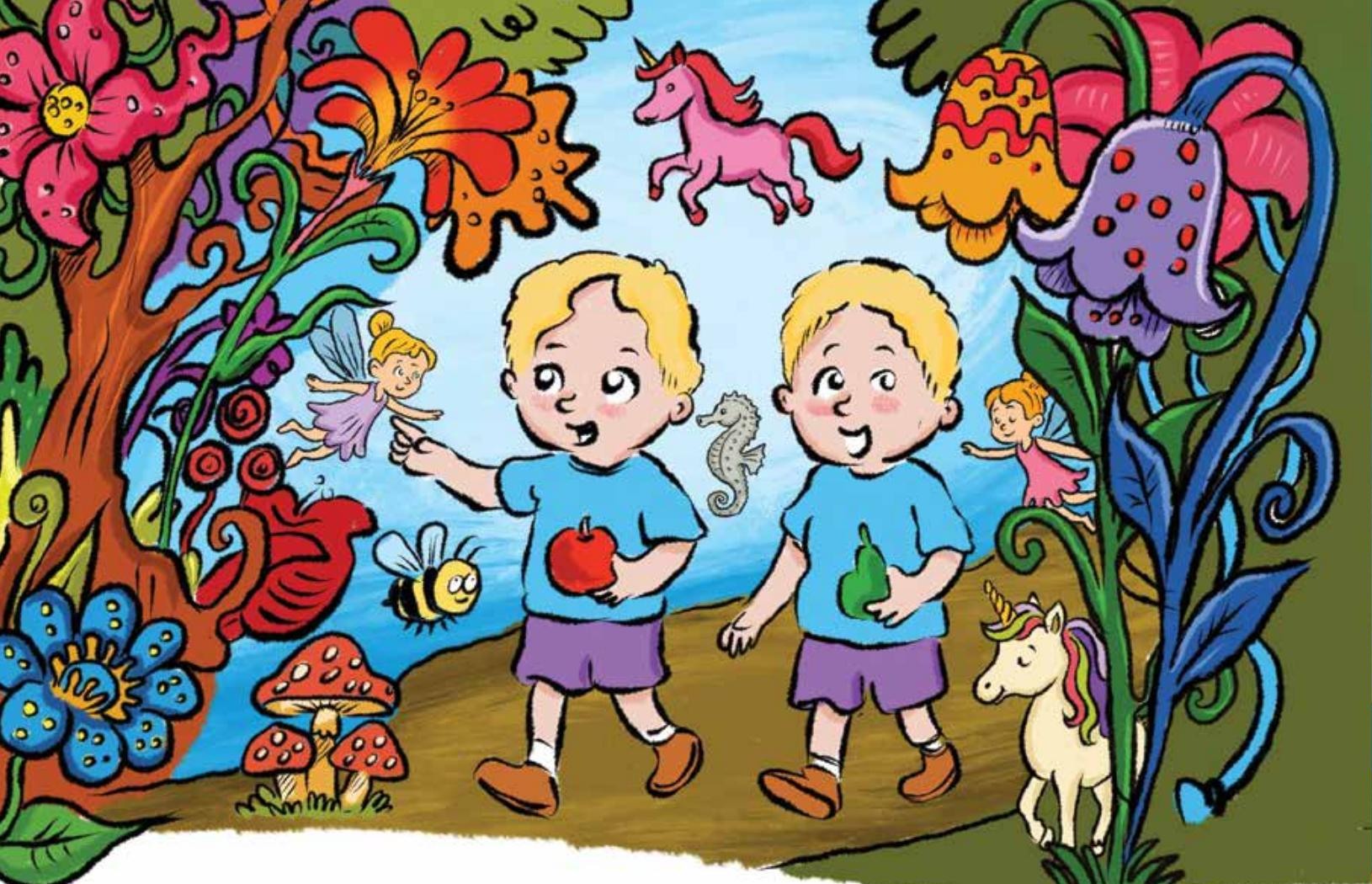
Nurture a supportive thought and connect it with action.
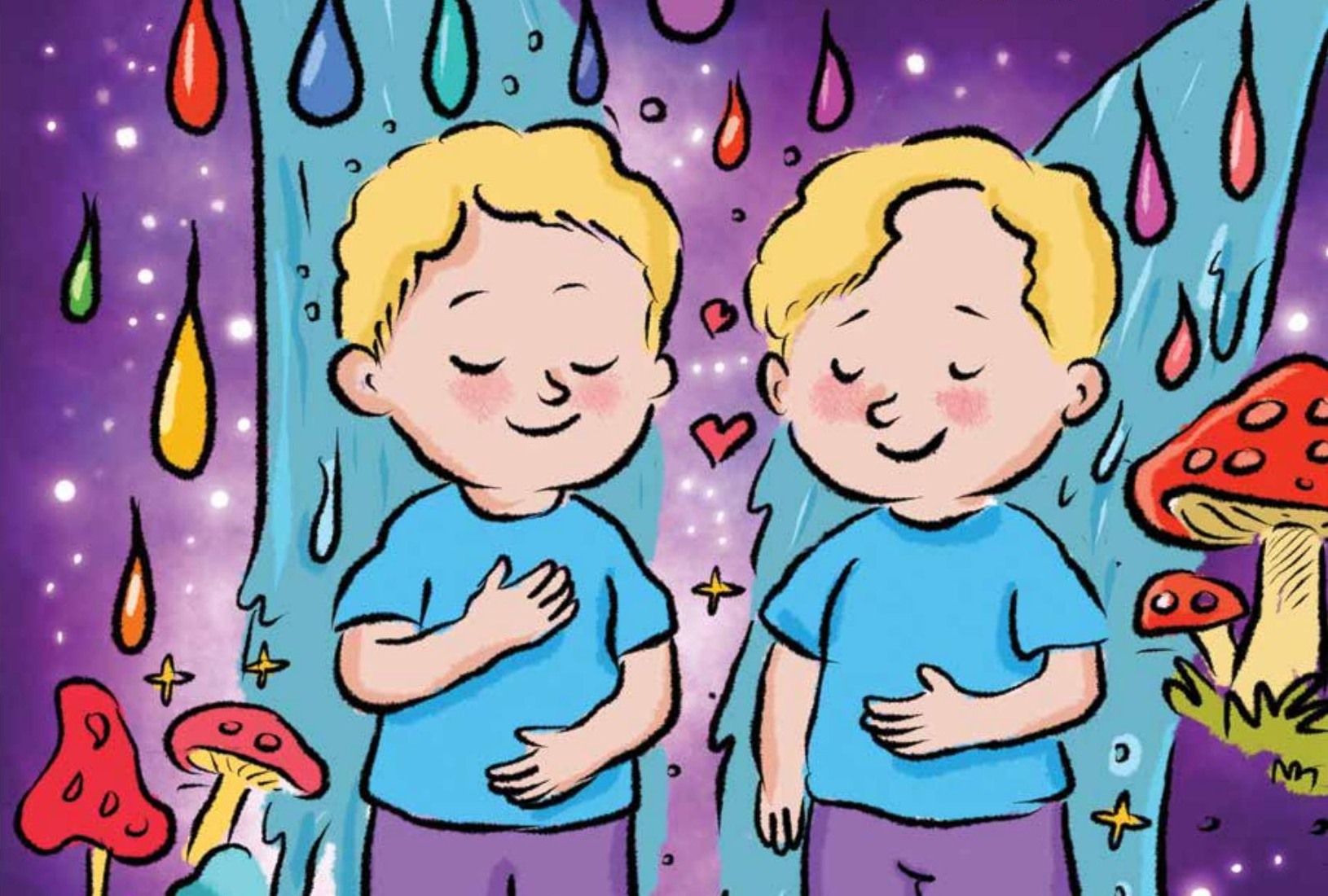
Create a brief pause before responding and consider what to do next.
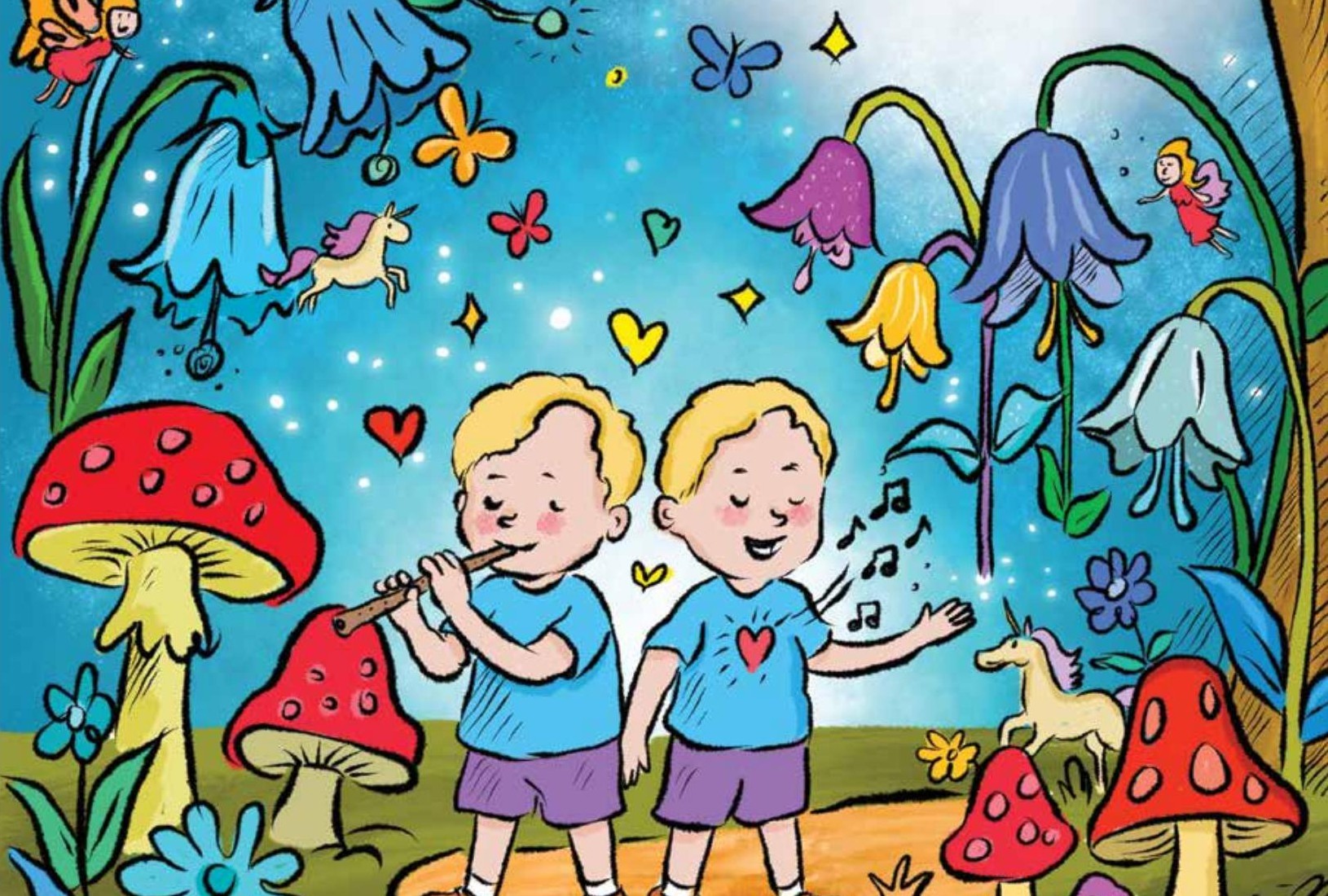
Connect the words we say to ourselves and others with practical action.
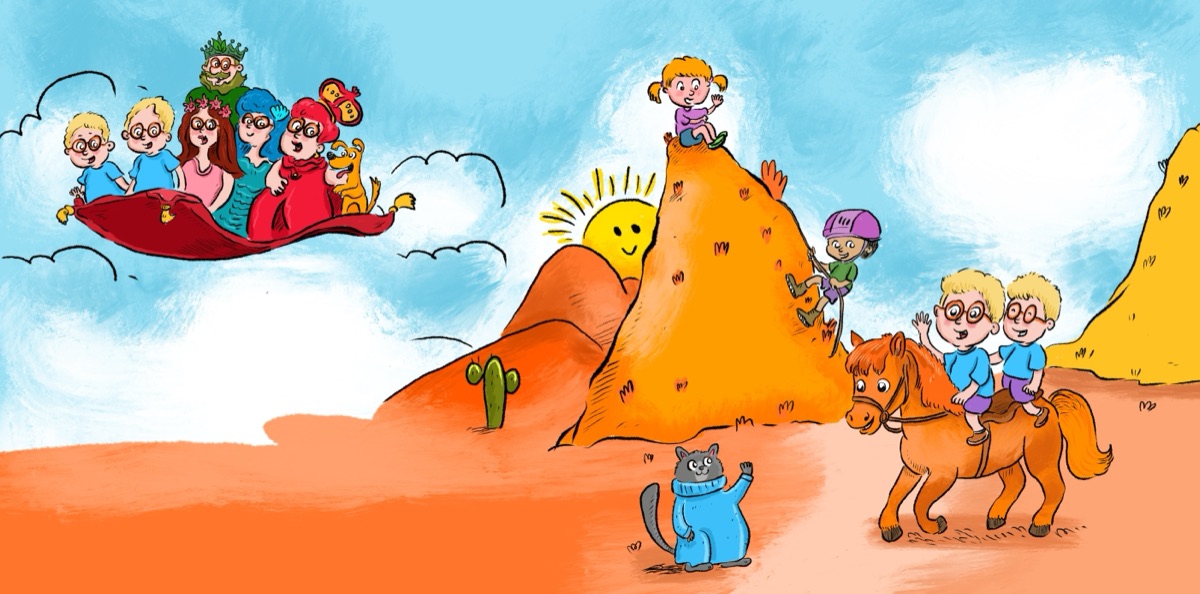
Recognize strengths already present in steps the child has taken.
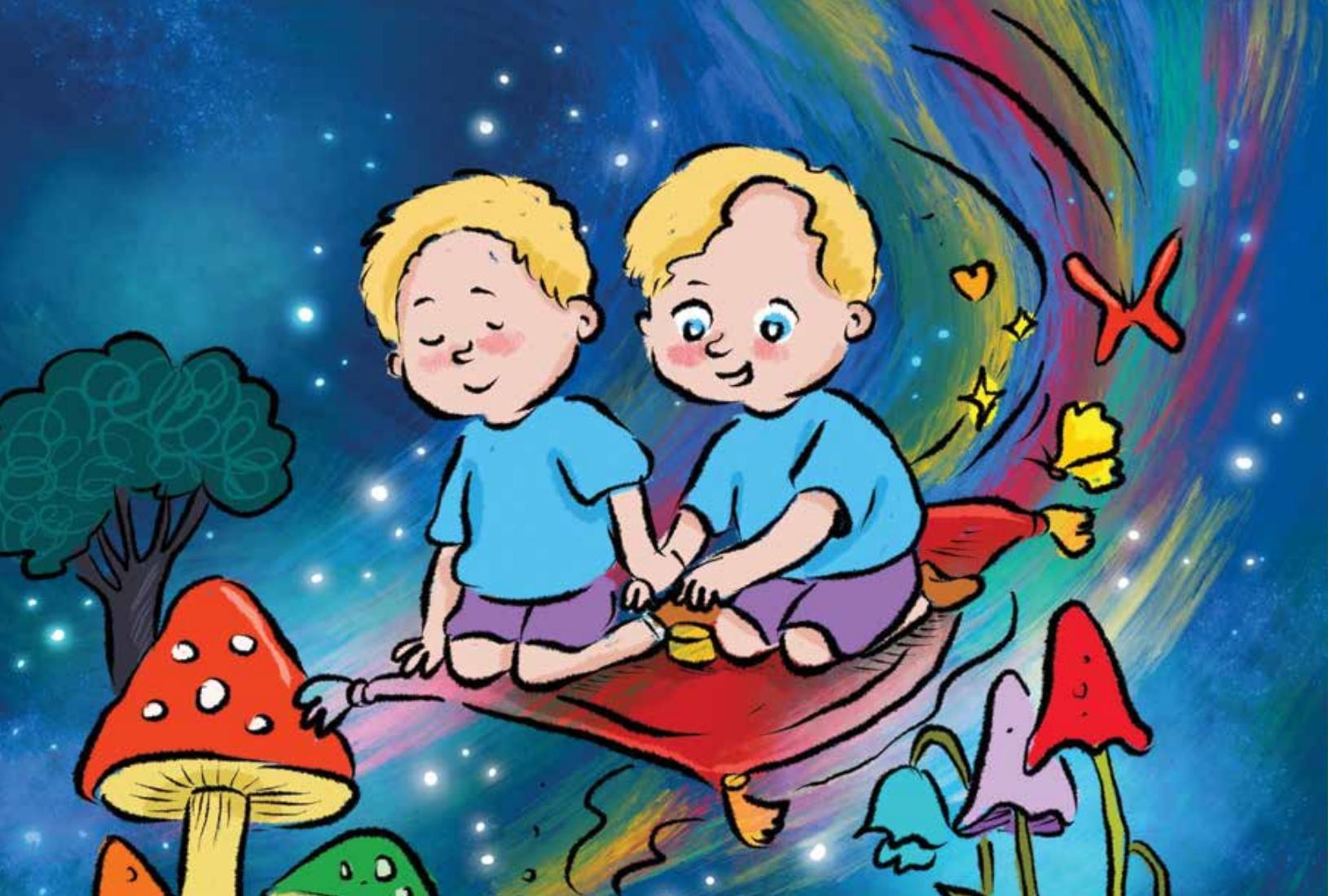
At the end of the early-years program, children bring the tools together and consider which one may fit a situation.
What do participants practise?
Notice what is happening inside and in the surrounding environment.
Add a brief moment for observation and choice.
Discover another perspective or a different way forward.
Turn a word, thought or image into a possible next step.
In the year-long program for ages 5–7, a weekly core session introduces each world. Children revisit its ideas through play, movement, creative activities and everyday classroom moments. Simple follow-up activities help families continue the experience at home.
Professional framework
The ages 5–7 program includes five preparatory workshops and monthly guidance. Facilitation materials and how they will be provided are agreed before the program begins.
Explore Educator Support for Ages 5–7 →Participants may listen, write or choose another way to take part. Guided imagery is brief and age-appropriate; personal sharing is optional. The scope of activities and staff support depends on the chosen program.
Explore Programs & Events →Which path fits you?
Books to read together, activities for children and teens, or a family evening — find the experience that fits your group.
Color The World Brillora Foundation is the seller and receives all payments for books, activities and programs.